Saskatchewan Research Initiative:
Carbon Sequestration Under Pasture and Forage Resources
Carbon Sequestration Under Pasture and Forage Resources
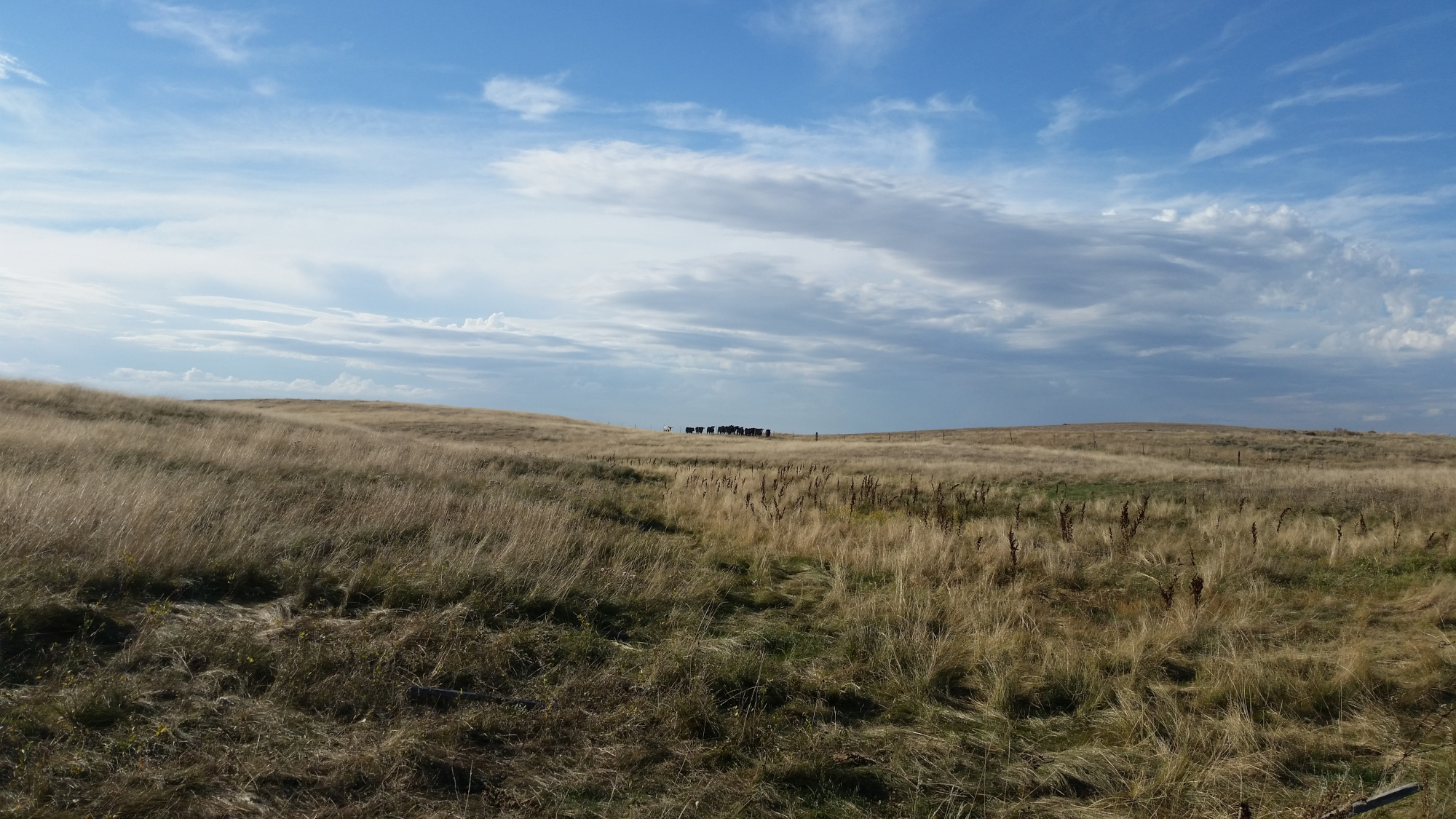
The University of Saskatchewan and University of Alberta are jointly leading a Saskatchewan Ministry of Agriculture funded research project to map and quantify carbon in Saskatchewan’s pastures and rangelands.
This five year project will also identify management practices that can potentially increase soil carbon, thereby helping to mitigate climate change. The project will be looking at pasture and rangelands across all five of Saskatchewan’s soil zones: Brown, Dark Brown, Black, Dark Gray, and Gray.
The project includes researchers from the University of Saskatchewan, University of Alberta, and Agriculture and Agri-Food Canada.
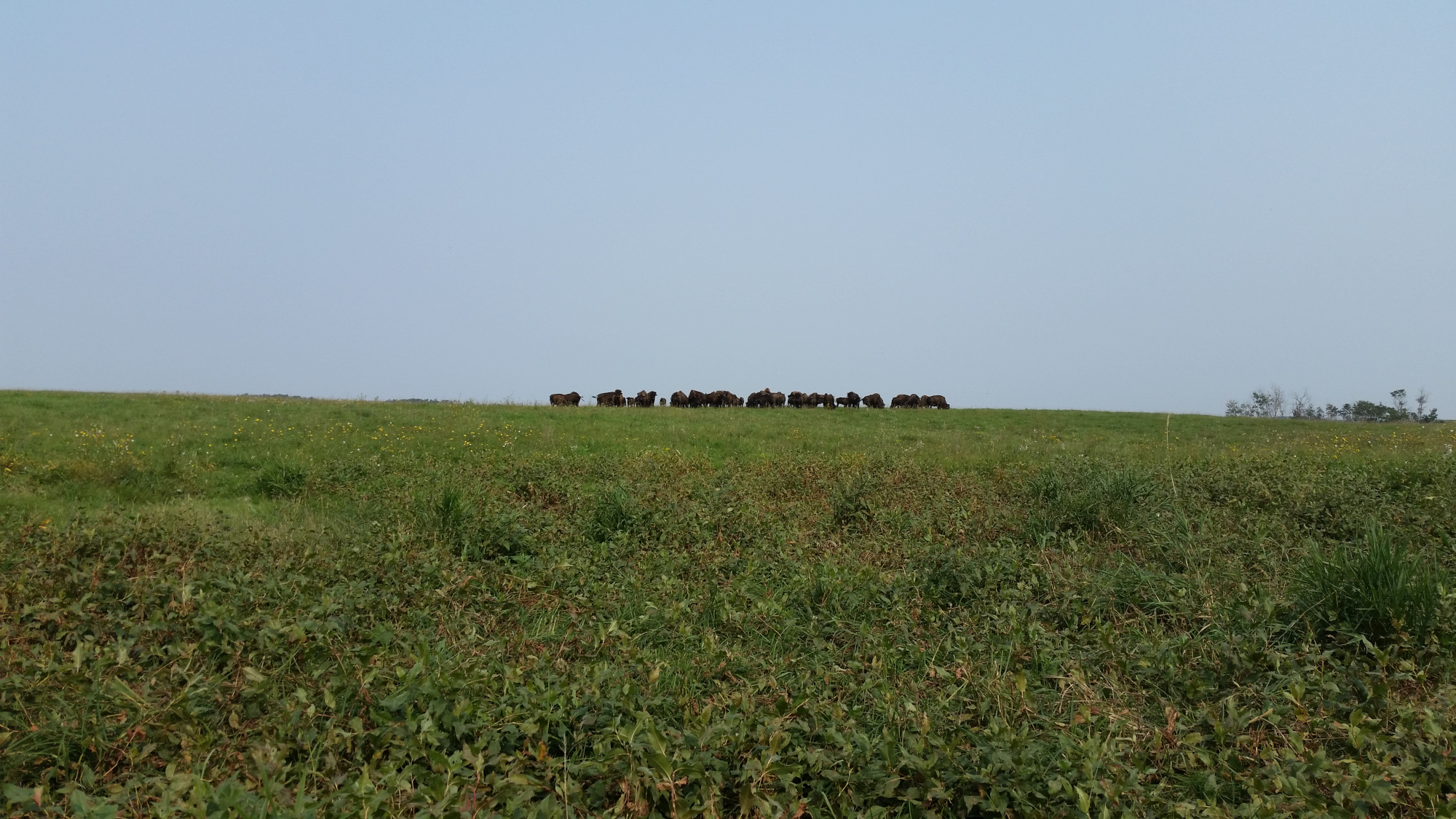
Pasture and rangeland soils are important stores of soil carbon, as deep rooting perennial grasses remove carbon from the atmosphere and add it to the soil.
How much carbon rangeland grasses remove from the atmosphere varies due to climate, soil type, and management practices. Understanding how those factors interact is essential for understanding what will happen at any given location.
By increasing soil carbon, producers also benefit because soils with more carbon have more nutrients and do a better job of holding onto water. Producers that adopt management practices to improve soil carbon stocks also benefit by having more fertile soils more resilient to drought.
This project will play an important role in helping Saskatchewan understand how its soils are contributing to climate change mitigation.